The Dark Art: Single-Origin Chocolate in the Pastry Kitchen and the Teas That Complete It

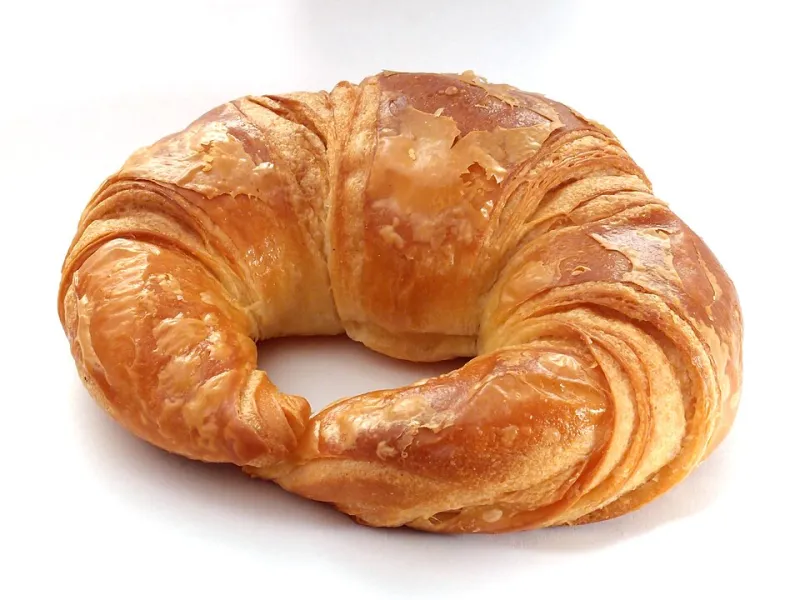
Photo: single origin dark chocolate pastry croissant ganache tart elegant table, via i.pinimg.com
There is a particular kind of pleasure in a chocolate pastry made with genuine intention — one where the baker has considered not merely the sugar content or the cocoa percentage, but the specific origin of the cacao, the fermentation method employed at the farm, and the precise roast profile chosen by the chocolate maker. This is the world of single-origin chocolate, and it has been quietly revolutionizing American artisan baking for the better part of a decade.
When that same pastry is paired with a tea selected for its complementary or contrasting flavor architecture, the experience transcends the sum of its parts. What follows is a guide to understanding, working with, and ultimately celebrating single-origin chocolate in the pastry kitchen — alongside a framework for identifying the teas that will make each creation shine.
Understanding Cacao Origin: Why Geography Matters
Just as with tea and wine, cacao is profoundly shaped by its growing environment. The soil chemistry, rainfall patterns, shade canopy, and ambient yeasts present during fermentation all leave lasting impressions on the final bar. Chocolatiers at leading American bean-to-bar operations — including those based in San Francisco, Brooklyn, and Portland — have built their reputations on sourcing single-estate and single-origin cacao with the same rigor a sommelier might apply to selecting a Grand Cru.
Broadly speaking, cacao origins fall into a few distinct flavor families. Peruvian and Colombian origins tend toward red fruit brightness — raspberry, dried cherry, a hint of citrus zest — with relatively gentle tannins. Madagascan cacao, particularly from the Sambirano Valley, is celebrated for its pronounced acidity and berry-forward character, often described as possessing a natural effervescence on the palate. Ecuadorian Nacional, one of the rarer fine-flavor varieties, offers floral complexity — jasmine, rose, a whisper of violet — alongside a creamy, almost buttery mouthfeel. Caribbean origins, including those from Trinidad and Grenada, frequently display deeper, earthier registers: tobacco, leather, dried fig, dark molasses.
For the baker, these distinctions are not merely academic. They are the foundation upon which every pastry decision — from the choice of fat to the selection of a complementary spice — should be built.
Conversations with the Kitchen: What Pastry Chefs Are Doing Differently
Chef-owners of boutique American patisseries who have embraced single-origin chocolate describe a fundamental shift in their creative process. Rather than beginning with a desired flavor outcome and selecting a chocolate to match, they now begin with the chocolate itself — tasting it carefully, identifying its dominant and secondary notes, and constructing a pastry formula around what is already present in the bar.
"When I'm working with a Madagascan 72 percent," explains one pastry chef at a celebrated New York establishment, "I'm not trying to add fruit flavor — it's already there in abundance. My job is to find the supporting elements that allow that brightness to resolve rather than compete. A small amount of crème fraîche in the ganache, a touch of raspberry vinegar in the glaze. Restraint is the technique."
This philosophy extends to the choice of inclusions, glazes, and even the lamination fats used in layered pastries. Several American bakeries are now incorporating single-origin chocolate directly into croissant dough — not as a filling, but as a flavoring agent within the détrempe itself — creating laminated pastries whose flakiness carries a subtle, origin-specific chocolate character throughout every layer.
Tempering and Lamination: Technical Considerations for the Home Baker
Working with high-quality single-origin chocolate at home requires attention to a few technical realities that differ from working with commercial compound chocolate.
On tempering: Single-origin bars, particularly those with higher cacao butter content and lower sugar levels, can be more sensitive to temperature fluctuation during tempering. The target temperature ranges remain consistent — melting to approximately 115°F, cooling to 82°F, then raising to a working temperature of 88–90°F for dark chocolate — but the margin for error narrows with finer-grade couverture. A digital probe thermometer is not optional; it is essential. Tabling on marble, if available, offers the most reliable results for achieving the characteristic snap and gloss that indicate proper crystallization.
On lamination: Incorporating chocolate into laminated doughs — whether croissants, Danish, or kouign-amann — introduces both opportunity and challenge. Finely ground cocoa powder can be incorporated into the détrempe for a subtle, pervasive chocolate note. For a more pronounced effect, a thin layer of tempered single-origin chocolate can be spread onto the butter block before lamination begins, though this requires the chocolate to be at room temperature and pliable enough not to shatter during the folding process. The result, when executed successfully, is a pastry of extraordinary complexity: the butterscotch and yeast notes of a well-made laminated dough in dialogue with the specific fruity, earthy, or floral character of the origin chocolate.
A note on percentage: Higher cacao percentages are not inherently superior for baking. A 65 percent Ecuadorian Nacional may offer more nuanced floral complexity in a ganache than a 90 percent bar from the same origin, whose bitterness can overwhelm delicate supporting flavors. Taste first; bake second.
A Pairing Framework: Matching Origin Chocolate Pastries with Tea
The art of pairing tea with chocolate pastries follows a logic not unlike food and wine pairing: seek either harmony (flavors that share a common register) or productive contrast (flavors that illuminate each other through difference).
Madagascan chocolate pastries — with their pronounced berry acidity and bright finish — find an elegant partner in a lightly oxidized Taiwanese oolong, whose floral and stone-fruit notes mirror the chocolate's character without redundancy. A Darjeeling first flush, with its muscatel brightness and delicate tannins, also performs beautifully alongside a Madagascan dark chocolate tart.
Peruvian and Colombian origin pastries, whose red fruit and gentle acidity suggest warmth and approachability, pair naturally with a well-made Assam second flush — robust enough to hold its own against the chocolate's depth, but possessed of a malty sweetness that softens the pastry's edges. For those who prefer a lighter cup, a Chinese Keemun, with its wine-like complexity and smoky undertone, offers a more contemplative accompaniment.
Ecuadorian floral-profile pastries — particularly a ganache tart or a financier made with Nacional chocolate — are perhaps the most rewarding to pair. A high-quality Chinese white tea, such as a Bai Mu Dan (White Peony), allows the chocolate's jasmine and rose notes to emerge fully, the tea's delicacy functioning as a palate cleanser between bites rather than a competing flavor. For those who prefer more structure, a lightly roasted Taiwanese high-mountain oolong bridges the floral and creamy registers with quiet authority.
Caribbean and earthy-profile pastries — dense chocolate tortes, flourless cakes, and heavily ganached confections — call for teas with comparable weight. A well-aged pu-erh, with its earthy depth and natural fermented complexity, is a classical pairing for dark, intense chocolate preparations. Alternatively, a robust Yunnan black tea, sometimes described as possessing its own cocoa-adjacent character, creates a harmonious loop of flavor that rewards slow, attentive consumption.
Assembling the Chocolate Pastry Table
For those wishing to present a composed chocolate pastry experience — whether for a formal afternoon tea or an intimate gathering — consider building the table around a single origin and tracing its expression across multiple preparations: a ganache truffle, a laminated chocolate morning pastry, and a small cup of single-origin drinking chocolate alongside the chosen tea. This approach transforms the tasting into a coherent narrative, allowing guests to understand how processing, fat content, and technique each reveal a different facet of the same bean.
The finest single-origin chocolate, like the finest tea, is ultimately a record of place — of specific soils, specific hands, and specific choices made at every stage of its journey. When the baker honors that record with skill and intention, and when the tea is chosen to complement rather than obscure it, the result is something that justifies every careful step of its creation.