Chemistry in the Cup: What Tea Tannins Actually Do to Your Pastry's Flavor

Photo by Photo by Sergey N on Unsplash on Unsplash
Most of us have experienced it without ever naming it: that satisfying, almost cleansing sensation when a sip of strong black tea cuts cleanly through a bite of buttery shortbread. The richness dissolves, the palate resets, and somehow both the tea and the pastry taste more vivid than they did a moment before. What is happening in that exchange is not culinary coincidence. It is molecular interaction — and once you understand it, you will never approach a tea and pastry pairing the same way again.
What Tannins Actually Are
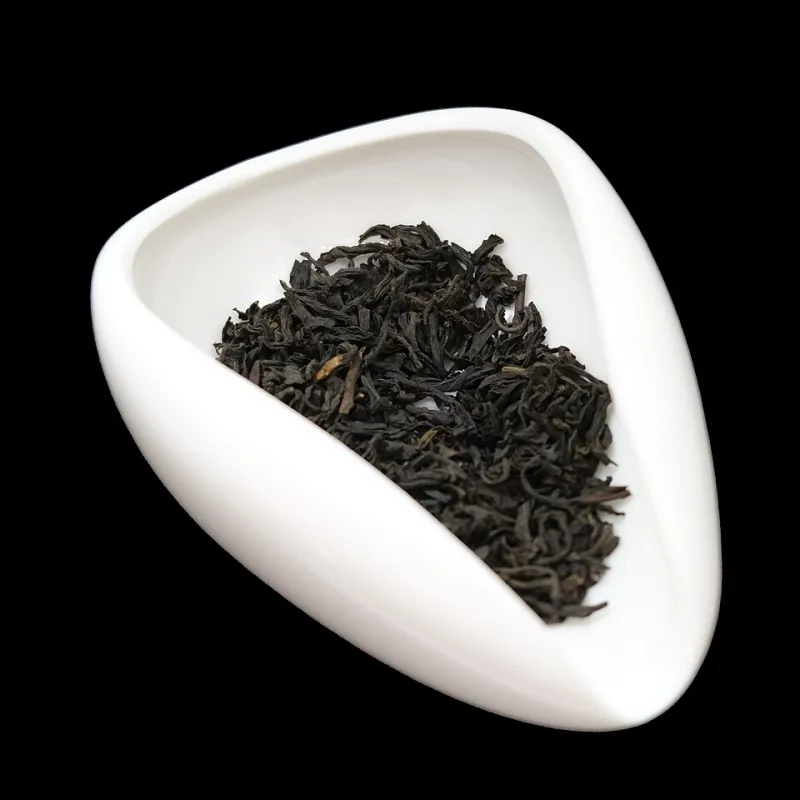
Tannins are a broad class of polyphenolic compounds found in plant matter, and tea leaves contain them in particularly significant concentrations. In the world of tea, the relevant compounds are largely catechins and theaflavins — the latter formed during oxidation in black teas, which is why a fully oxidized Assam carries far more pronounced tannin character than a delicate green tea.
The word "tannin" derives from the ancient practice of using plant-derived compounds to tan animal hides — a process that works precisely because tannins bind aggressively to proteins. In the mouth, this binding behavior is what creates astringency: tannins attach to the proteins in saliva, reducing lubrication and producing that characteristic drying, gripping sensation on the tongue and gums. It is not a flavor in the conventional sense. It is a tactile event with profound consequences for how we perceive everything consumed alongside it.
The Fat Interaction: Why Tannins Love Butter
Pastry, at its most elemental, is often a study in fat. Croissants, puff pastry, shortbread, financiers, brioche — all depend on the richness of butter or cream for their identity. And this is precisely where tannins become so compelling as a pairing mechanism.
When tannins meet dietary fats in the mouth, they do not bind the way they do with proteins. Instead, they create a counterpoint: the astringency cuts through the unctuous coating that fat leaves on the palate, effectively refreshing the taste receptors and allowing subsequent bites to register with renewed clarity. This is why a First Flush Darjeeling — with its muscatel brightness and moderate tannin structure — pairs so beautifully with a classic French butter croissant. The tea does not compete with the pastry; it restores your ability to fully appreciate it.
For home bakers, this principle offers a practical guide: richer, more butter-forward pastries generally benefit from teas with higher tannin content, while more delicate confections call for lighter, lower-tannin options like a white tea or a high-grade Japanese gyokuro.
Sugar, Bitterness, and the Contrast Principle
The interaction between tannins and sweetness is equally fascinating, and it operates on a different axis entirely. Sweetness, as perceived by the brain, is heightened when placed in contrast with bitterness. This is the same principle that makes salted caramel so arresting — the sodium amplifies the sweet signal by providing opposition.
Tannins in tea are inherently bitter, and when a moderately sweet pastry is consumed alongside a tannic brew, the brain registers the sweetness of the baked good more intensely than it would in isolation. A plain almond financier, for instance — understated in its sweetness and gentle in its nuttiness — becomes remarkably expressive when paired with a well-steeped Ceylon tea. The tannins in the Ceylon amplify the marzipan-adjacent quality of the financier, drawing out notes that would otherwise remain quietly in the background.
This contrast principle also explains why very sweet pastries — American-style layer cakes frosted with buttercream, pecan tarts glazed with corn syrup — are often best served with bold, heavily oxidized teas. The assertive tannins in an Assam or a Yunnan black tea provide the necessary counterweight, preventing the overall impression from tipping into cloying excess.
Aromatic Compounds and Tannin Suppression
There is a subtler dimension to this chemistry that is worth exploring for the more adventurous palate. Tannins do not merely interact with fats and sugars — they also suppress certain volatile aromatic compounds, which can either diminish or clarify a pastry's flavor profile depending on the pairing.
Consider a lavender shortbread. Lavender's dominant aromatic compounds are linalool and linalyl acetate — intensely floral and, in excess, almost medicinal. A high-tannin tea paired with such a shortbread can partially suppress those volatiles, pulling the lavender back to a more approachable register and allowing the buttery, vanilla-adjacent base of the shortbread to come forward. In this case, tannins act as an editorial force, editing the pastry's flavor narrative rather than simply contrasting with it.
Conversely, pairing a low-tannin oolong — something in the jade oolong family, with its characteristic orchid and green melon aromatics — with a citrus tart allows both sets of volatile compounds to remain fully expressive. Neither the tea nor the pastry suppresses the other; they coexist and harmonize. This is a fundamentally different kind of pairing, one built on aromatic sympathy rather than tannin-driven contrast.
A Practical Framework for Intentional Pairing
Armed with even a basic understanding of tannin chemistry, the home baker and tea enthusiast can begin to design pairings with genuine intentionality. Consider the following framework:
For rich, butter-heavy pastries — croissants, kouign-amann, pain au chocolat — reach for teas with substantial tannin structure. First Flush Darjeeling, Assam, or a robust Yunnan black tea will cut through the fat and restore palate clarity between bites.
For moderately sweet pastries — almond tarts, financiers, madeleines — a medium-tannin tea such as a Ceylon or a lightly oxidized oolong will amplify sweetness through contrast without overwhelming the pastry's delicate character.
For intensely sweet confections — glazed fruit tarts, American-style layer cakes, sticky buns — a boldly tannic tea is not just complementary; it is nearly essential. Without that bitter counterpoint, the sweetness has nowhere to resolve.
For aromatic or herb-forward pastries — lavender shortbread, rosemary olive oil cake, Earl Grey scones — tannin levels become a tool for modulating aromatic intensity. Higher tannins will rein in dominant florals; lower tannins will allow them full expression.
Beyond Tradition: The Case for Molecular Pairing
For generations, tea and pastry pairings have been guided primarily by cultural tradition and personal preference — the British afternoon tea canon, the Japanese wagashi ceremony, the French salon de thé. These traditions carry immense value and accumulated wisdom. But they were built largely on intuition and habit, not on an understanding of what is actually happening at the molecular level.
The exciting development for contemporary food enthusiasts is that sensory science now provides a complementary lens — one that does not replace tradition but enriches it. When you understand that the reason a brisk Assam works so well with a buttery scone is a matter of tannin-fat interaction, you also understand how to extrapolate: what other fatty pastries might benefit from that same pairing principle? What other high-tannin teas might produce a similar effect?
This is the invitation that tannin chemistry extends to the curious home baker and tea lover: to move beyond the received wisdom of any single tradition and begin composing pairings that are genuinely your own — grounded not in convention, but in the elegant, endlessly surprising science of taste.