Rooted in Place: How American Terroir Is Redefining the Domestic Tea Cup
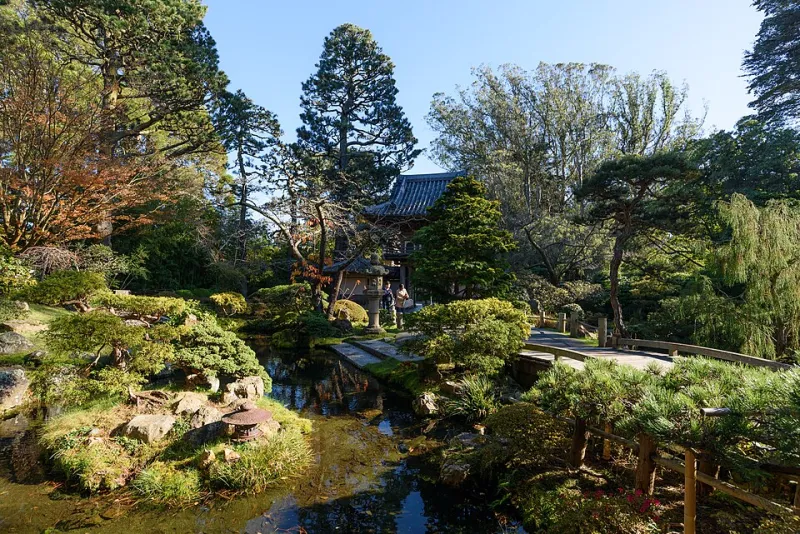
Photo: King of Hearts, CC BY-SA 4.0, via Wikimedia Commons
For generations, the American tea drinker has looked outward — to the mist-covered gardens of Darjeeling, the volcanic slopes of Taiwan, the ancient forests of Yunnan — for the world's finest cups. That orientation is beginning to shift. Across a handful of carefully chosen landscapes, American farmers are coaxing Camellia sinensis into soils it has rarely touched on this continent, producing teas that speak unmistakably of their origins. The results are not merely novelties. They are, increasingly, sophisticated expressions of place.
What Terroir Actually Means in a Teacup
The concept of terroir — a French term encompassing the full environmental context in which an agricultural product is grown — has long governed how connoisseurs evaluate wine. Soil composition, elevation, rainfall patterns, surrounding vegetation, and the particular quality of light all leave legible marks on flavor. Tea is no less susceptible to these influences. The same cultivar planted in Georgia clay, Washington volcanic loam, and the calcium-rich soils of Appalachian hillsides will yield leaves of strikingly different character.
At its most fundamental level, terroir in tea manifests through three pathways: mineral uptake from soil, stress responses triggered by climate, and microbial ecosystems that affect fermentation potential in post-harvest processing. When a plant experiences moderate drought stress, for instance, it concentrates catechins and aromatic compounds as a protective response — often producing a more complex, nuanced leaf. Elevation amplifies this effect, slowing growth and intensifying flavor development. These are not abstract principles. They are the reason a tea grown at 3,000 feet in the Smoky Mountains tastes fundamentally different from one harvested on a coastal California hillside.
The Pacific Northwest: Mineral Depth and Maritime Restraint
Washington State's Skagit Valley and the rain-shadowed hills of Oregon's Willamette region have emerged as among the most promising tea-growing zones in the country. The climate here is characterized by cool, wet winters followed by warm, dry summers — a pattern that encourages slow, deliberate growth during the spring flush. The volcanic and glacially deposited soils contribute notable mineral complexity.
Grovers such as those operating small-plot gardens on the slopes above the Columbia River Gorge are producing green and white teas with a distinctive maritime quality: clean, slightly briny on the finish, with a softness that distinguishes them from their Japanese or Chinese counterparts. The umami depth characteristic of shaded Japanese gyokuro is absent here, replaced instead by a lighter, more herbaceous register — fresh cut grass, early spring peas, a whisper of white flowers. For those accustomed to imported greens, the experience is simultaneously familiar and refreshingly unfamiliar.
Tasting note to seek: Pacific Northwest white teas processed minimally from the first spring harvest often display a pale golden liquor with delicate peach and melon aromatics and a clean, slightly sweet finish. Brew at 175°F for two minutes to preserve their subtlety.
Appalachia: Ancient Soils, Unexpected Complexity
Perhaps the most surprising development in American tea cultivation is unfolding in the southern Appalachian highlands — particularly in western North Carolina and northeastern Tennessee. The region's geology is among the oldest on the continent, and its soils reflect that antiquity with unusual mineral diversity. High elevation, reliable summer rainfall, and warm days paired with cool nights create conditions that some agronomists consider remarkably analogous to parts of Darjeeling.
Small family operations in this corridor are producing oolongs and black teas of genuine distinction. The oolongs, in particular, tend toward a muscatel-adjacent quality — not identical to the storied second-flush Darjeelings, but sharing that grape-like, slightly fermented sweetness that tea enthusiasts find so compelling. Local wildcrafted herbs and forest botanicals sometimes influence flavor profiles through cross-pollination from surrounding flora, adding an element of terroir that no grower can fully engineer.
The community of growers here is close-knit and deeply committed to sustainable, small-batch production. Yields are modest by commercial standards, and most teas are sold directly or through specialty retailers. That scarcity, however, is part of what makes them worth seeking.
Tasting note to seek: Appalachian black teas processed in the orthodox style — whole leaf, hand-rolled — frequently exhibit a warm amber liquor with notes of dried stone fruit, a hint of cocoa, and an earthy mineral finish. They pair beautifully with a butter-rich shortbread or a lightly sweetened almond financier.
California: Warmth, Diversity, and Experimental Spirit
California's tea cultivation story is, appropriately, one of experimentation. From the coastal fog belts of Sonoma County to the foothills of the Sierra Nevada, growers are testing the limits of what the plant will express in Mediterranean-influenced climates. The challenge here is heat management — Camellia sinensis prefers moderation — but the reward is a boldness of flavor that cooler climates rarely achieve.
California-grown teas tend toward richer, more full-bodied profiles. Black teas processed from summer harvests can exhibit remarkable intensity — dark dried fruit, a pronounced tannin structure, and a lingering warmth that makes them natural companions for robust pastries. Some growers are experimenting with shade cultivation, attempting to coax the amino acid theanine into higher concentrations and thereby produce a more nuanced, umami-forward green. Results vary by vintage, which itself lends a wine-like dimension to following these producers over time.
How to Approach American-Grown Teas at the Table
For those accustomed to the established canon of imported teas, domestically grown selections reward a slightly adjusted approach. Because American teas are often processed in small batches without the benefit of generations of institutional knowledge, variability between harvests is higher. That variability is not a flaw — it is an honest expression of a young industry finding its footing.
When tasting, resist the impulse to benchmark against an imported equivalent. Instead, approach each cup as you might approach a local farm-to-table ingredient: with curiosity about its specific origin, an openness to unexpected flavor notes, and an appreciation for the human story behind its production. Ask your specialty retailer about harvest dates, processing methods, and the specific microclimate in which the tea was grown. These details matter enormously.
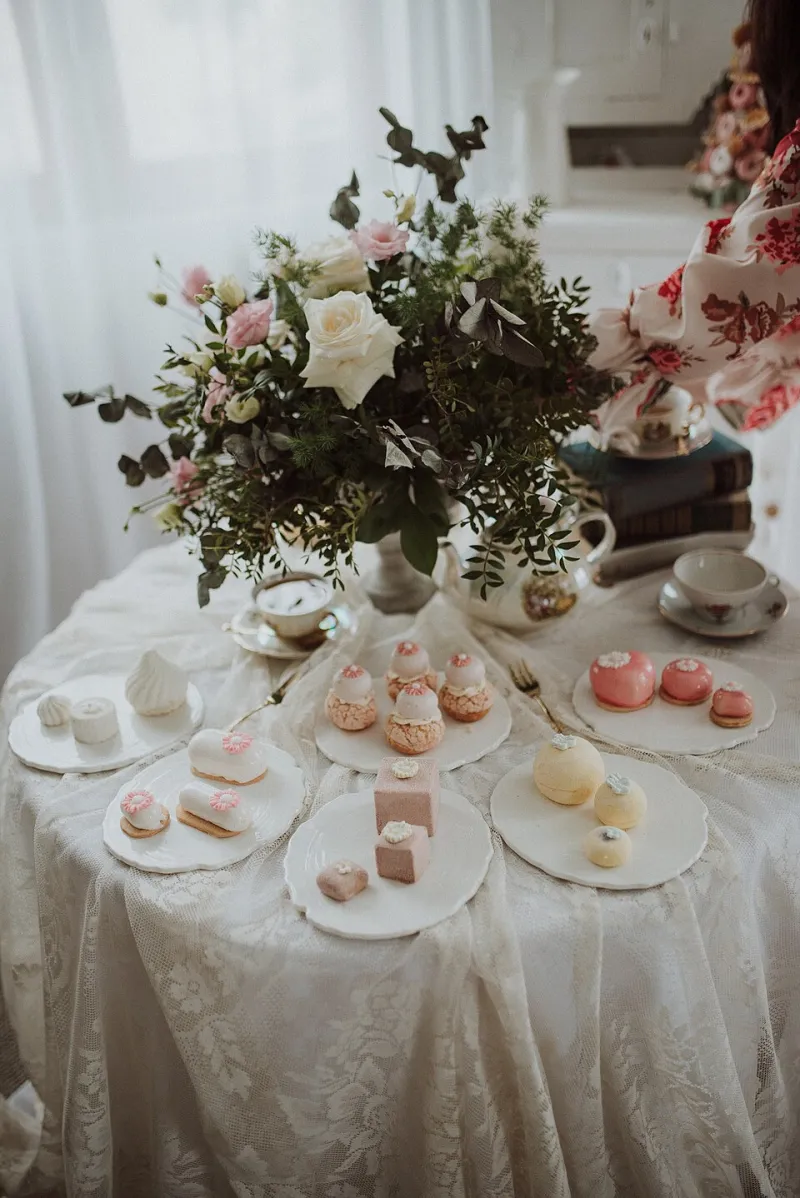
For pairing at the tea table, American teas generally harmonize well with pastries that share their regional character. A Pacific Northwest white tea alongside a lavender shortbread made with local honey; an Appalachian oolong with a walnut and brown butter tart; a California black tea with a dark chocolate almond biscotti. The principle is coherence — allowing the geography of the cup to inform the composition of the plate.
A Growing Tradition Worth Watching
American tea cultivation remains, by any measure, a nascent enterprise. The country's total acreage under tea cultivation is a fraction of what is found in even a modest Indian or Chinese growing region. Infrastructure for processing, grading, and distribution is still developing. And yet the trajectory is unmistakable. With each passing season, more growers are committing to serious, long-term cultivation, and the quality of the resulting teas is rising in proportion to their experience.
For the sophisticated tea enthusiast, this moment represents a rare opportunity: to witness and participate in the early chapters of an entirely new tea tradition, shaped by American soils, American climates, and American ingenuity. The cup, it turns out, has always been a reflection of the land beneath it.