The Four O'Clock Pause: A Practical Case for Tea and Pastry in the American Office

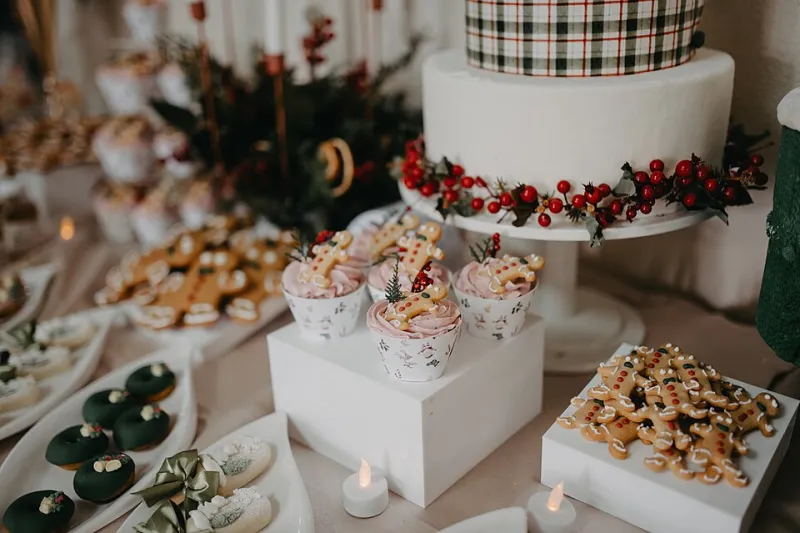
Photo: office tea break with teapot pastries and colleagues at table, via tenav.co.uk
In 2026, the American workplace conversation is saturated with talk of burnout, fragmented attention, and the difficulty of maintaining real connection across hybrid teams. Much of the proposed remedy arrives as another system: another calendar block, another wellness app, another mandatory social event. The afternoon tea break offers something simpler and, for that reason, easier to dismiss. It is not a lavish production. It is a short, intentional pause at roughly four o'clock, built around two or three good teas and a modest pastry. Its value lies precisely in its limits.
The Problem With the Always-On Afternoon
The late afternoon is where the American workday tends to fray. Meetings run long, focus dips, and the remaining tasks are often the ones that require the most concentration. A coffee run can become a solo errand; a snack drawer can become a private habit. Neither creates a shared reset. A scheduled tea pause does something different. It marks a boundary in the day, gathers people for fifteen or twenty minutes, and gives them a reason to stop without leaving the office. The ritual is not a productivity hack. It is a small structure that makes the afternoon feel less formless.
A Pause, Not a Production
The fastest way to ruin the idea is to treat it as entertaining. Afternoon tea in the American imagination often means tiered stands, linen, and a special occasion. That version has its place, but it is not the office version. The office version should be deliberately plain: a few teas, a plate of cut pastries, and a table that can be cleared quickly. No theme, no presentation, no pressure to bake. The point is regularity, not spectacle. A simple shortbread and a well-brewed black tea will do more for a team than an elaborate spread that happens once and never again.
Choosing Two or Three Teas
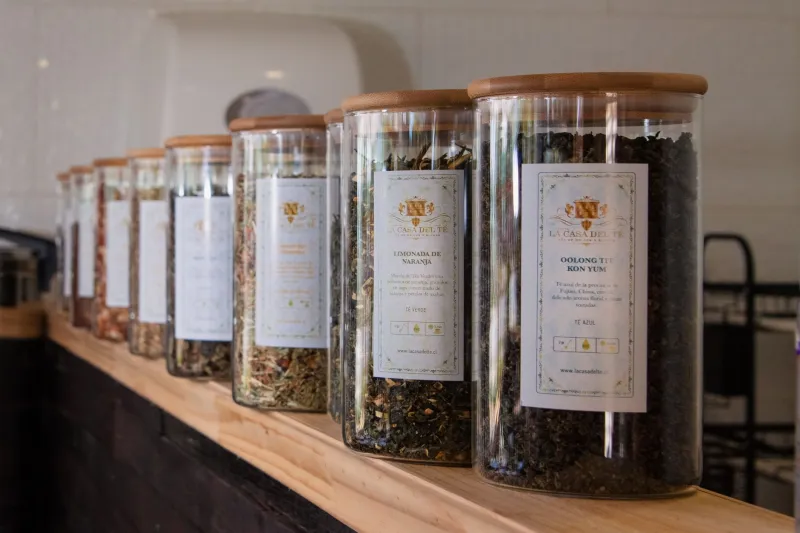
Three teas are enough for a small office. Choose one reliable black tea, such as an Assam or a Keemun, for people who want a familiar cup. Add one green or lightly oxidized oolong for a lighter option. Add one caffeine-free herbal tea, such as rooibos or peppermint, so the pause works for everyone. Resist the urge to offer six. Too many choices slow the line and make restocking harder. Buy loose leaf if the office has infusers and a kettle; otherwise, high-quality sachets are acceptable. Keep a small card with brewing temperatures and times, because a good tea brewed at a rolling boil for eight minutes will persuade no one.
Buying Pastries Without Turning It Into Catering
The pastry should be modest and easy to portion. A box of good shortbread, a tray of mini scones, or a few sliced tea cakes from a local bakery is sufficient. Avoid anything that requires refrigeration, elaborate plating, or a knife fight at the table. For a once-a-week pause, order from a bakery the day before and store the pastries in an airtight container. For a more frequent pause, keep a small supply of shelf-stable biscuits and rotate in fresh pastries on Fridays. Label ingredients for common allergens. A nut-free option and a gluten-free option may not be necessary every week, but they should be considered before the ritual becomes established.
Brewing for a Group Without Ceremony
Group brewing does not require a ceremony. Preheat two thermal carafes with hot water, then empty them. For each carafe, use roughly 1 teaspoon of loose leaf per 8 ounces of water, or about 15 grams of tea for a 1.5-liter carafe. Heat water to the correct temperature for the tea, steep for the recommended time, and strain into the carafe. Do not leave leaves in the water, or the second cup will be bitter. Offer milk and lemon on the side, but keep sugar optional. A small tray with cups, a timer, and a folded card of brewing notes is enough. Cleanup should take less than ten minutes; if it takes longer, the format is too complicated.
The Cost and the Return
For a team of ten, a weekly pause can be kept to roughly $30 to $50, depending on the bakery and the tea. That is often less than the cost of a few coffee runs, and it is shared. Rotate the hosting responsibility so one person is not always buying and cleaning. The return is not easily measured, but it is visible: people linger, ask questions, and talk about something other than the project at hand. In a hybrid workplace, a short shared ritual can be more useful than a quarterly social event because it happens often enough to become normal.
Making It Stick
Set the pause on two afternoons a week and keep it optional. Fifteen minutes is enough. Protect the time from meetings, but do not make attendance mandatory. Let the ritual be modest enough that it can survive a busy week. The goal is not to import a British custom wholesale. The goal is to give the American workday a small, civilized interruption. In 2026, that may be one of the more practical things an office can do.