An Unexpected Affair: Adventurous Tea and Pastry Pairings for the Discerning Table
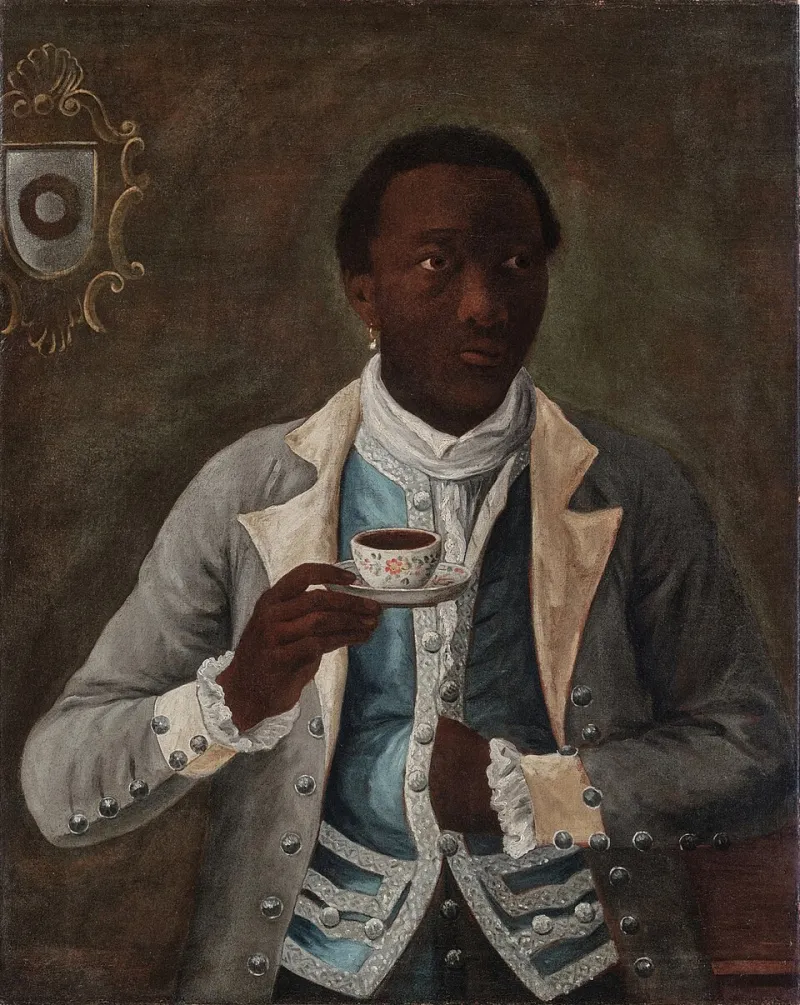
Photo: Attributed to UnknownUnknown : Venetian School / Unidentified painter, Public domain, via Wikimedia Commons
Conventional wisdom holds that tea and pastry are a natural couple, and it is not wrong. What conventional wisdom fails to account for, however, is the extraordinary range of that relationship. To confine tea-and-pastry pairing to bergamot and cream scones is rather like insisting that wine accompanies only cheese — technically sound, but imaginatively impoverished.
The world of fine teas spans continents, climates, and centuries of cultivation tradition. The world of artisan pastry is equally vast. When these two realms are considered together with the same rigor applied to wine and food pairing, the results can be genuinely revelatory. What follows is a framework for thinking about these combinations — and a collection of pairings worthy of your most discerning guests.
The Principles Behind a Perfect Pairing
Before arriving at specific combinations, it is worth understanding the underlying logic that makes some pairings transcendent and others merely pleasant.
Complement or contrast. The most successful pairings either amplify shared flavor compounds — a floral tea alongside a floral pastry, for instance — or create deliberate, illuminating contrast, such as a smoky tea cutting through the richness of a buttery confection. Both approaches are valid; the choice depends on the effect you wish to achieve.
Consider weight and intensity. A delicate, lightly oxidized white tea will be overwhelmed by a dense chocolate torte. Conversely, a robust, malty Assam will flatten a gossamer madeleine. Matching the weight and intensity of tea to pastry ensures that neither component is diminished.
Tannins as a palate cleanser. Many teas — particularly black teas and certain oolongs — contain tannins that bind to fats and proteins, refreshing the palate between bites. This is why a strongly brewed black tea so effectively accompanies a rich, buttery pastry: the tannins perform a cleansing function that readies the palate for the next mouthful.
Temperature and timing matter. A tea served at the correct temperature — generally between 170°F and 212°F depending on the variety — releases its aromatic compounds most fully, making the pairing experience more cohesive. Serving a green tea at boiling point, for example, introduces bitterness that can clash with even the most thoughtfully chosen pastry.
Five Pairings Worth Exploring
1. Lapsang Souchong and Dark Chocolate Croissant
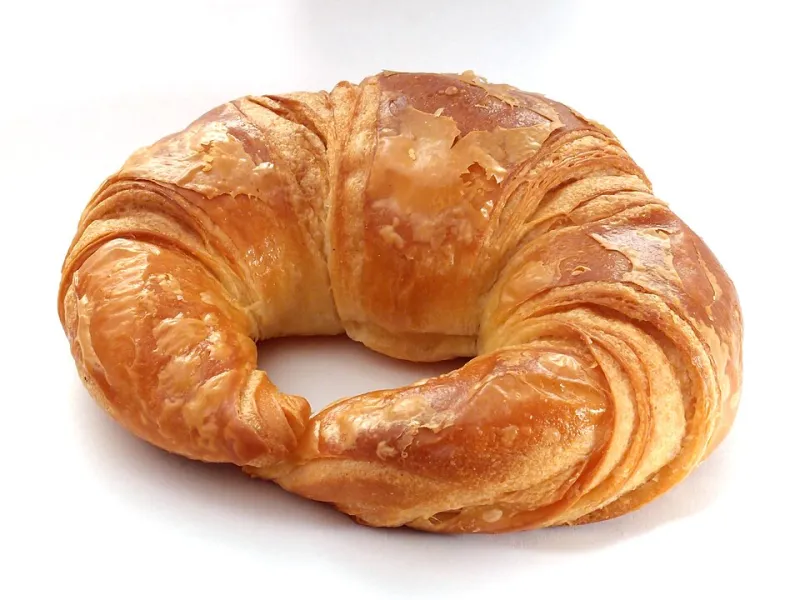
Lapsang souchong, the celebrated Chinese black tea dried over pinewood fires, carries an assertive smokiness that strikes many first-time drinkers as startling. Paired with a properly laminated dark chocolate croissant — one whose filling is bittersweet rather than sweet — the smoke acts as a bridge, echoing the roasted notes inherent in high-quality cocoa. The fat of the butter layers softens the tea's intensity, while the tea's tannins cut through the richness with elegant precision. This is a pairing for those who appreciate bold, unapologetic flavors.
Brewing note: Use water at 212°F and steep for three to four minutes. A small amount of milk may be introduced without disrupting the pairing.
2. Silver Needle White Tea and Lavender Shortbread
Silver Needle — Baihao Yinzhen — is among the most prized white teas in the world, produced exclusively from the young, unopened buds of the Camellia sinensis plant in Fujian Province, China. Its flavor is extraordinarily delicate: sweet, faintly melon-like, with a honeyed floral quality that lingers on the palate. Paired with a lavender shortbread — buttery, lightly fragrant, and not overly sweet — the two share a floral register that creates a harmony of uncommon subtlety. Neither overwhelms; both are enhanced.
Brewing note: Use water no hotter than 175°F and steep for two to three minutes. This tea rewards patience and restraint.
3. Taiwanese High Mountain Oolong and Almond Croissant
High mountain oolongs from Taiwan — Ali Shan and Li Shan are among the most celebrated — occupy a fascinating middle ground between green and black tea. They are lightly oxidized, producing a creamy, orchid-like sweetness with a clean, lingering finish. The almond croissant, with its frangipane filling and toasted almond exterior, shares that same warm, nutty-sweet character. The oolong's natural creaminess amplifies the richness of the frangipane without adding heaviness, while its clean finish prevents the pairing from becoming cloying.
Brewing note: Gongfu-style brewing — multiple short infusions of fifteen to thirty seconds — allows the tea's complexity to evolve across several cups, making this an ideal pairing for a leisurely afternoon.
4. Darjeeling First Flush and Lemon Curd Tart
First flush Darjeeling, harvested in the earliest weeks of spring from the foothills of the Himalayas, is among the most eagerly anticipated teas in the world. Its flavor is bright, muscatel, and distinctly vegetal — almost grape-like — with a briskness that refreshes the palate immediately. Against the sharp citrus of a well-made lemon curd tart, the tea's natural astringency performs beautifully, balancing the tartness of the filling and allowing the buttery pastry shell to register clearly. This is a pairing of elegant simplicity, ideal for spring entertaining.
Brewing note: Use water at approximately 185°F and steep for no more than three minutes to preserve the tea's delicate muscatel character.
5. Hojicha and Sesame Financier
Hojicha, the Japanese roasted green tea, is something of an outlier in the green tea family. Its roasting process removes much of the caffeine and grassiness typical of green teas, replacing them with a warm, toasty, almost caramel-like quality. Paired with a sesame financier — a small, elegant French cake enriched with brown butter and black sesame — the roasted notes of both components create a deeply satisfying resonance. This is comfort in its most sophisticated form, and a pairing that consistently surprises guests who encounter it for the first time.
Brewing note: Use water at 212°F and steep for thirty to sixty seconds. Hojicha is forgiving and may be re-steeped two to three times.
Building Your Own Signature Pairing
The five combinations above are intended as inspiration rather than prescription. The principles that govern them — complementary flavor compounds, matched intensity, the strategic use of tannins — can be applied to any tea and any pastry.
Begin by tasting each component independently, taking notes on the dominant flavors, the weight, and the finish. Then ask: does this tea share a flavor register with this pastry, or does it offer a meaningful contrast? Is the intensity of the tea proportionate to the richness of the pastry? Does the tea's structure — its tannins, its acidity — serve a useful function alongside the fat and sugar of the baked good?
Answer these questions honestly, and you will find yourself constructing pairings of genuine sophistication — ones that reflect your own palate and sensibility, and that transform even a quiet afternoon into something worth savoring.