Steeping Local: How American Hosts Are Crafting a New Afternoon Tea Tradition
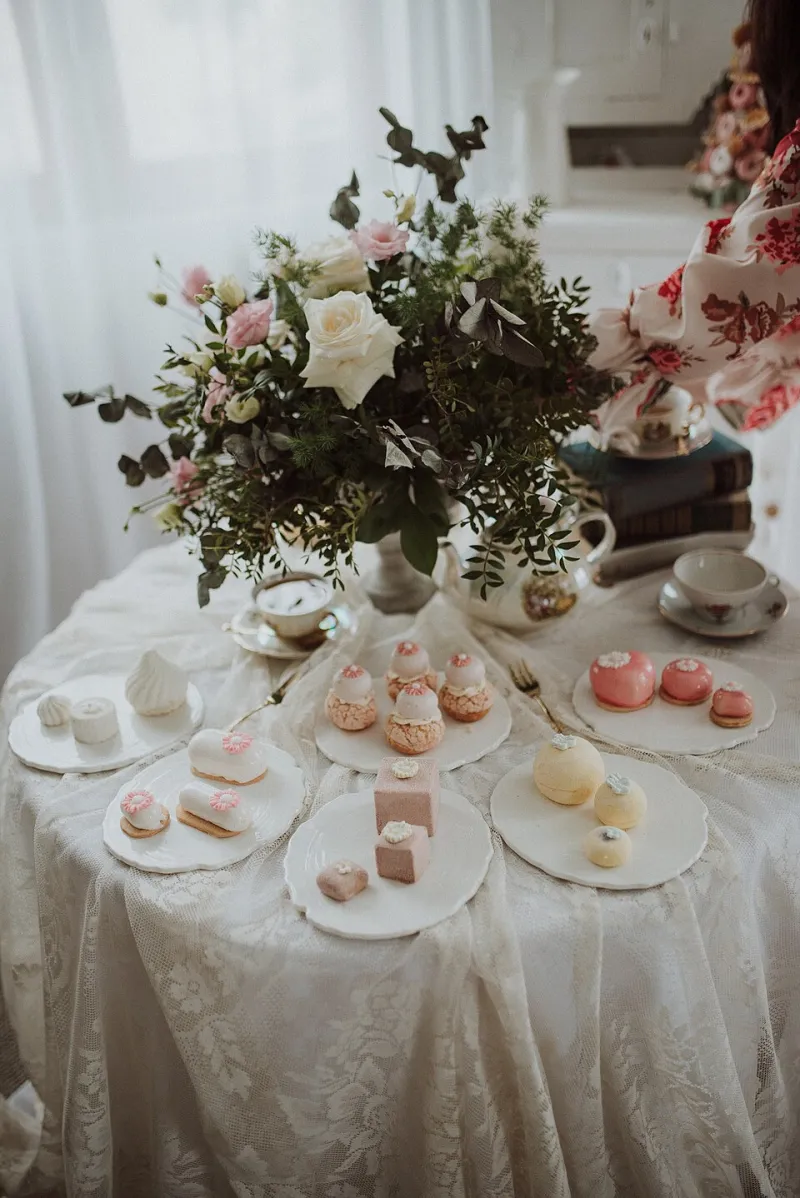
Photo: Shixart1985, CC BY 2.0, via Wikimedia Commons
For generations, the afternoon tea ceremony occupied a peculiar place in the American imagination — admired from a distance, occasionally performed at hotel lobbies with bone china and scones imported in spirit if not in fact, yet rarely embraced as a living domestic ritual. That is changing. Across the country, a growing cohort of home entertainers is reclaiming the afternoon tea hour and reshaping it in their own image, one carefully sourced ingredient at a time.
This is not about doilies or affected British accents. It is about the deliberate pleasure of gathering, the discipline of a structured table, and the extraordinary potential of American ingredients to anchor a tradition that, at its core, has always been about hospitality.
The American Tea Garden, Reconsidered
Most Americans do not think of the United States as a tea-producing nation, and for most of its history, that assumption held. Yet the landscape has shifted considerably. Small-scale tea gardens now operate in South Carolina — most notably the Charleston Tea Garden, the country's oldest commercial tea estate — as well as in Hawaii, Oregon, and parts of the Pacific Northwest. These domestic producers are cultivating teas with flavor profiles shaped by their specific climates and soils, offering something that imported teas, however fine, simply cannot replicate: a sense of American place.
A first-flush tea from the South Carolina Lowcountry carries a grassy brightness and mild earthiness that pairs beautifully with lemon curd tarts made with Meyer lemons from California. A Hawaiian green tea, grown at elevation on the slopes of Mauna Kea, brings a clean, vegetal clarity that complements delicate almond tuiles or a shortbread made with Sonoma County butter. These are not arbitrary pairings; they are conversations between ingredients that share a continental identity.
For the home host seeking to build an afternoon tea service around domestic teas, the journey begins with sourcing. Specialty tea retailers and direct-to-consumer farms now ship nationwide, and many offer tasting notes and pairing suggestions that make the process accessible even to those new to the discipline.
Pastry as a Regional Statement
If the tea sets the tone, the pastry makes the argument. The traditional British afternoon tea spread — cucumber sandwiches, clotted cream scones, Victoria sponge — is a product of a specific landscape and larder. An American afternoon tea, honestly rendered, should reflect a different one.
Consider what this might look like across regions. A host in New England might anchor her service with a maple-glazed financier made with local buckwheat flour, accompanied by a pot of Darjeeling-style tea grown in the Pacific Northwest. In the South, a buttermilk chess tart with sorghum syrup and a dusting of sea salt from the Georgia coast would feel entirely at home on a tiered stand. In the Pacific Northwest, a hazelnut and Marionberry madeleine, served alongside a Pacific Northwest oolong, creates a pairing that is both sophisticated and unmistakably local.
The key principle is intentionality. The most successful American afternoon teas are not those that attempt to reproduce a British template with American substitutions, but those that begin from the ingredient outward — asking first what is excellent and local, then constructing a service around that answer.
The Architecture of the Table
Beyond the food and tea themselves, the contemporary American afternoon tea has developed a visual and structural language of its own. The tiered stand remains a useful organizing principle, but the rigid hierarchy of savory-scone-sweet is increasingly treated as a suggestion rather than a rule. Many hosts now arrange their spreads thematically — by season, by region, or by a single featured ingredient — creating a table that tells a coherent story.
Presentation has become a form of editorial. Hand-thrown ceramic teapots from small American studios, linen napkins in natural dyes, and foraged botanicals used as garnish all contribute to an aesthetic that feels grounded rather than imported. This is not performance for its own sake; it is the visible expression of a considered point of view about food, place, and the value of slowing down.
For those drawn to the visual dimension of the tea table, the discipline of the afternoon tea service offers a genuine creative framework. Each element — the color of the tea liquor in a clear glass cup, the glaze on a petit four, the arrangement of edible flowers on a scone — contributes to a whole that is greater than its parts.
Practical Guidance for the Home Host
Building an American afternoon tea service need not be an elaborate undertaking. A few principles will serve most hosts well.
Begin with the tea. Select one or two domestic teas as your anchor, and let their flavor profiles guide your pastry choices. If your tea is light and floral, lean toward delicate, butter-forward pastries. If it is robust and malty, consider richer preparations — a brown butter tart, a molasses cookie, a dense fruit bread.
Source regionally where possible. Farmers markets, specialty food shops, and online purveyors of American artisan ingredients are increasingly accessible. Local honey, regional dairy, and estate-grown fruit preserves all elevate a tea service without requiring professional pastry skills.
Observe the rhythm of the service. Afternoon tea works best when it unfolds at a measured pace — savory elements first, then something sweet, then the lightest confections last. This structure gives guests something to anticipate and allows the teas to evolve alongside the food.
Resist the impulse to over-program. The finest afternoon teas feel effortless even when they are not. A single, exceptionally made scone served with excellent cream and a pot of carefully brewed domestic tea will always outperform a crowded table of mediocre preparations.
A Tradition Worth Tending
The afternoon tea, in its truest form, has never really been about Britain. It has been about the radical act of pausing — of setting aside the ordinary demands of the day to share something beautiful and carefully made with people whose company you value. That impulse is as American as it is English, as relevant in a Brooklyn apartment as in a Cotswolds manor house.
What the current generation of American hosts is discovering is that this tradition becomes more meaningful, not less, when it is rooted in the specific character of the place they call home. A cup of South Carolina-grown first-flush tea, poured over the afternoon light of a late September table, is not a lesser version of something English. It is something entirely worth celebrating on its own terms.